.svg)
When people think about private aviation, they usually think about aircraft.
They think about speed, convenience, range, and comfort. They think about avoiding crowded terminals and controlling their schedule. They think about the tangible benefits that come with flying private.
But after spending time around the industry, you begin to realize something important: the aircraft isn't what creates loyalty. Trust does.
The most successful companies in private aviation understand that they're not simply transporting people from one place to another. They're creating confidence. Confidence that every detail has been handled. Confidence that expectations will be met. Confidence that when something unexpected happens, the right people will solve it.
In many ways, trust has become the ultimate luxury in private aviation.
Understanding the Customer Comes First
Many businesses make the mistake of building their offerings around what they want to sell. The most successful businesses do the opposite. They start by understanding what their customers actually need. That sounds simple, but it's surprisingly rare.
A company can have a great product and still struggle if it doesn't understand the people it's serving. In aviation, that understanding often comes down to recognizing that every traveler has different priorities. Some value efficiency above all else. Others prioritize privacy, flexibility, reliability, or personalized service.
The organizations that consistently outperform their competitors spend less time talking about themselves and more time learning about their customers. They understand that success comes from solving problems, not simply delivering products.
The same principle applies to aircraft ownership. Before selecting an aircraft, successful buyers first define their mission, travel patterns, and objectives. Understanding the customer always comes before choosing the solution. That's one of the reasons many ownership journeys begin with a deeper evaluation of travel needs rather than aircraft models themselves.
The Difference Between Service and Hospitality
Most companies provide service. Far fewer provide hospitality. Service is delivering what's expected. Hospitality is anticipating needs before they're expressed. That distinction matters because private aviation isn't built around transactions. It's built around experiences. Anyone can provide transportation. The companies that earn long-term loyalty focus on removing friction from every step of the journey.
When clients don't have to worry about logistics, coordination, timing, or execution, they can focus on what actually matters to them. That's where hospitality begins to create value.
It's also why private aviation is often described as a relationship business rather than a transportation business. The best operators, flight departments, and service providers understand that they're not simply moving people. They're helping create an experience that reflects on everyone involved.
Consistency Creates Trust
Trust isn't built through a single great experience. It's built through consistency over time. A traveler shouldn't have to wonder whether details were communicated correctly, whether a vehicle will be waiting when they arrive, or whether a promise will be fulfilled. The best companies remove uncertainty from the process, allowing clients to focus on their destination rather than the logistics behind it.
Every successful interaction becomes another deposit into the trust account. Over time, those deposits create confidence. And confidence creates loyalty.
This idea extends throughout aviation. Whether you're operating an aircraft, managing a flight department, or advising a client through an acquisition, consistency is often what separates good organizations from great ones. Anyone can perform well occasionally. The challenge is delivering the same experience every single time.
Why Relationships Outlast Transactions
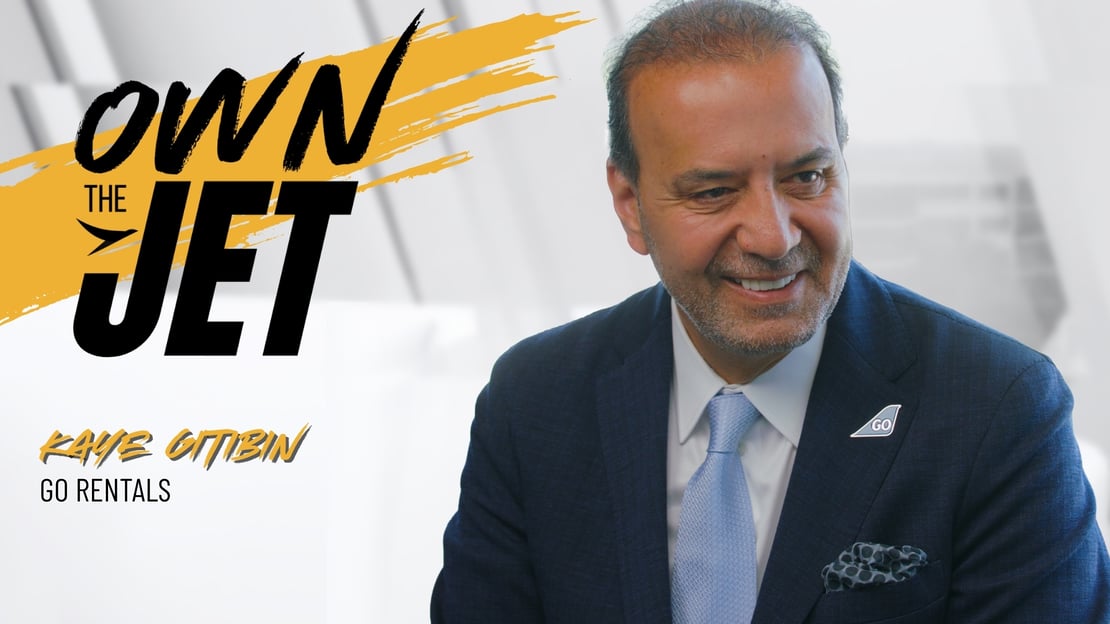
One of the most remarkable aspects of the story behind Go Rentals is that the company has grown for decades without relying on traditional advertising. That kind of growth doesn't happen by accident. It happens because relationships become the business model.
Many companies focus on individual transactions. The strongest businesses focus on earning trust repeatedly over time. They understand that a single successful interaction can lead to years of future opportunities.
Private aviation remains a remarkably relationship-driven industry. Aircraft sales, charter operations, management services, maintenance providers, and support companies all operate within networks built on reputation and trust. The most successful organizations understand that every interaction either strengthens or weakens those relationships.
This is especially true when making significant ownership decisions. Buyers are often placing their trust in advisors, brokers, management companies, and operators long before they ever take delivery of an aircraft. The quality of those relationships often has a greater impact on the ownership experience than the aircraft itself.
The Human Element Still Wins
Technology continues to transform aviation. Aircraft are becoming more advanced, systems are becoming more efficient, and information is more accessible than ever before. Yet the human element remains irreplaceable.
People remember who solved problems. They remember who followed through. They remember who made them feel valued. Technology can improve efficiency, but relationships create trust.
That's why some of the most successful organizations in private aviation continue to invest heavily in people, culture, and training. They understand that while technology can support the experience, people ultimately define it.
This idea surfaces repeatedly across every corner of the industry. Whether evaluating an aircraft purchase, selecting a broker, choosing an operator, or building a service organization, the people involved often matter just as much as the asset itself.
Building a Culture of Trust
Trust doesn't happen by accident. It has to be reinforced through culture.
The organizations that consistently deliver exceptional experiences don't simply talk about service. They build systems, training programs, and expectations around it. They teach employees not only what to do, but why it matters.
As companies grow, maintaining that culture becomes increasingly important. Every employee becomes a representative of the brand. Every interaction contributes to the overall experience.
The most successful organizations understand that trust isn't created by a mission statement hanging on a wall. It's created through thousands of small interactions that happen every day. Over time, those interactions become a reputation. And that reputation becomes one of the company's most valuable assets.
What Trust Means for Aircraft Owners
Private aviation is filled with impressive assets. Aircraft worth tens of millions of dollars, advanced technology, beautiful facilities, and exclusive experiences all play an important role in the industry.
But none of those things create lasting loyalty on their own.
Trust does.
It's earned through consistency. Strengthened through relationships. Reinforced through countless small moments that most people never notice. And once earned, it becomes one of the most valuable assets any business can possess.
At Aspen Aero Group, we see this every day. Whether we're helping a client evaluate ownership, acquire an aircraft, or prepare for a future transaction, success ultimately comes down to trust. Aircraft can be bought and sold. Markets rise and fall. But trusted relationships create long-term value long after a transaction is complete.
That's why the most successful aircraft owners don't just look for airplanes. They look for partners they can rely on for years to come. Because in an industry built around access, expertise, and execution, trust isn't just part of the experience.
It's the foundation of it.