.svg)
Private jet ownership is often discussed in terms of performance metrics, range capabilities, maintenance programs, and acquisition strategy. These technical considerations are essential, but they are not the full story. Behind every successful ownership experience is a network of people whose expertise, communication, and decision-making shape how smoothly an aircraft integrates into an owner’s life.
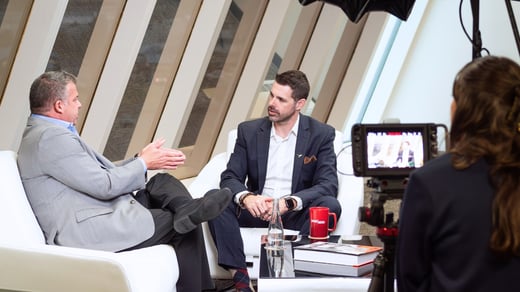
Episode 14 of Own The Jet focuses on this often-overlooked dimension of aviation: the human factor. From crew dynamics to operational support and advisory relationships, the episode reinforces a critical truth, aircraft do not operate themselves. The quality of the people involved in ownership frequently determines whether a jet becomes a seamless strategic asset or a persistent operational challenge.
Ownership Is a People Business First
At its core, private aviation is a service-driven industry. While the aircraft may represent the most visible investment, the daily experience of ownership is shaped by human interaction. Pilots, operators, schedulers, advisors, and service providers all influence how effectively the aircraft performs its mission.
Owners who view their jet purely as a machine often underestimate the importance of interpersonal dynamics. Communication gaps, unclear expectations, or mismatched roles can create friction that no amount of technology can resolve. Conversely, when the right people are aligned around a shared standard of excellence, ownership feels effortless.
Episode 14 emphasizes that strong ownership outcomes are rarely accidental. They are the result of intentional decisions about who is trusted, how responsibilities are defined, and how communication flows between stakeholders.
The Role of Trust in Aviation Relationships
Trust is foundational in private aviation. Owners rely on their teams to make decisions that affect safety, scheduling, regulatory compliance, and cost management. These decisions often happen outside the owner’s direct view, which means confidence in the people making them is essential.
Building that trust takes time and consistency. It grows when operators communicate proactively, when crew members demonstrate professionalism, and when advisors offer guidance grounded in experience rather than salesmanship. Trust erodes quickly when information is withheld, timelines shift without explanation, or accountability becomes unclear.
High-performing ownership teams establish trust by creating transparency. Owners are kept informed, not overwhelmed. Expectations are clarified early, and questions are welcomed. This approach reduces anxiety and empowers owners to engage confidently in decisions without needing to micromanage.
Crew Dynamics and the Ownership Experience
Pilots and crew members are often the most visible representatives of an ownership team, and their influence extends far beyond the cockpit. They are responsible not only for safe operation, but also for shaping the owner’s day-to-day experience with the aircraft.
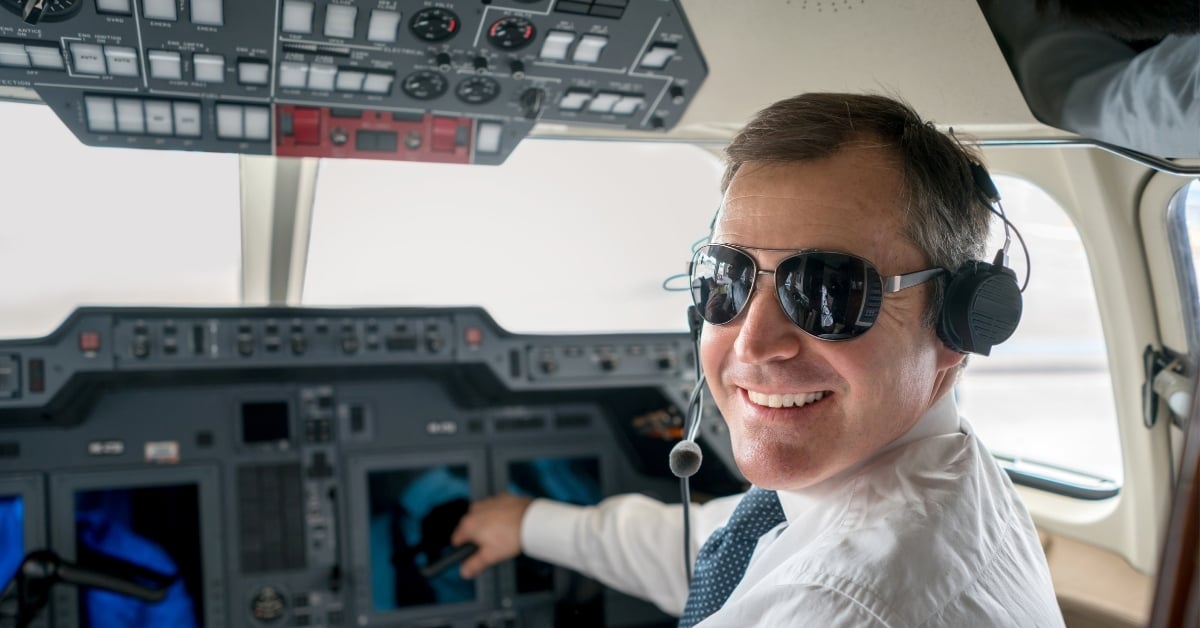
Professional crew members understand that discretion, communication, and adaptability are just as important as technical proficiency. They anticipate needs, adjust to evolving schedules, and handle disruptions calmly. When owners trust their crew, travel becomes less about logistics and more about outcomes.
Episode 14 highlights how mismatched expectations between owners and crew can create unnecessary tension. Successful ownership environments are those where roles are clearly defined, standards are agreed upon, and feedback flows in both directions. When crew members feel supported and respected, they perform at a higher level, benefiting everyone involved.
Why Communication Is the Ultimate Force Multiplier
No system in aviation is more powerful than effective communication. Even the most experienced teams falter when information doesn’t move efficiently. Missed updates, vague instructions, or delayed responses can quickly escalate into operational problems.
Clear communication connects every aspect of ownership. It aligns operators with maintenance providers, ensures crew readiness, and keeps owners informed without burdening them with unnecessary detail. Episode 14 reinforces that communication is not just about frequency, it is about clarity and relevance.
Owners benefit most when they work with teams that understand how to translate complexity into insight. Rather than reacting to issues after they arise, strong communicators flag potential challenges early and propose solutions before disruption occurs. This proactive approach transforms uncertainty into confidence.
Advisors as Long-Term Partners, Not Transactional Resources
Aircraft ownership often begins with a transaction, but it does not end there. Owners who experience the greatest long-term success are those who surround themselves with advisors who view ownership as an ongoing relationship rather than a one-time event.
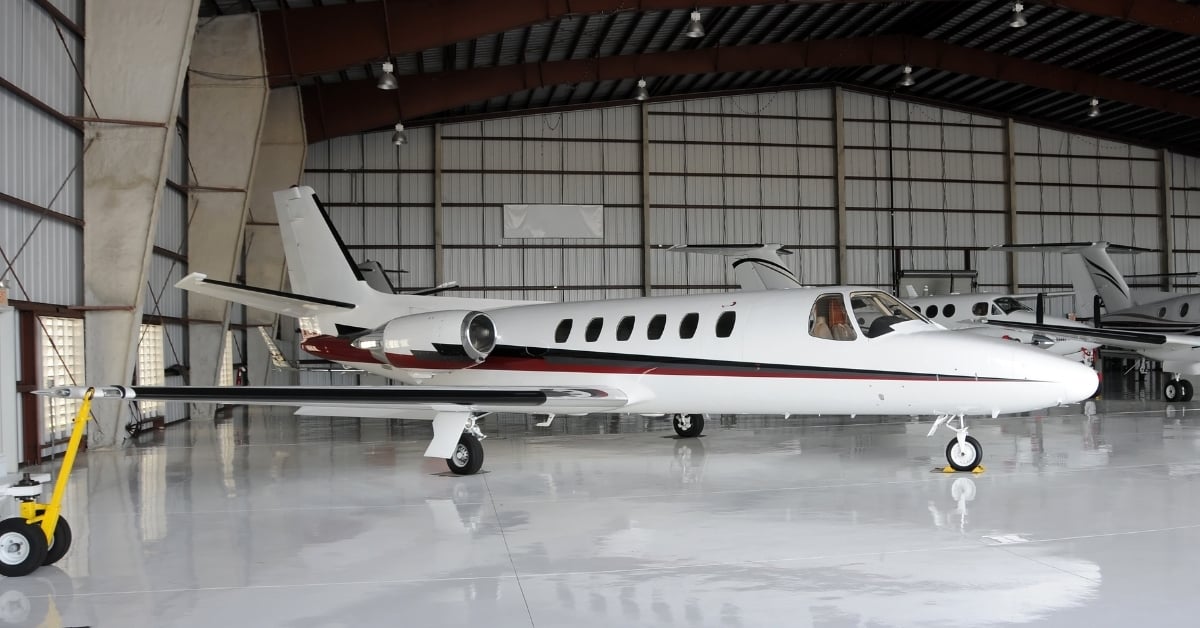
These advisors help owners navigate decisions well beyond acquisition. They provide perspective on operational changes, market conditions, crew management, and future upgrades. They understand the owner’s goals and adjust recommendations as those goals evolve.
Episode 14 underscores the value of advisors who are willing to say “no” when a decision does not serve the owner’s long-term interests. This level of candor is rare but invaluable. It reflects a commitment to stewardship rather than sales.
Aligning Roles to Reduce Friction
One of the most common sources of frustration in private aviation is role ambiguity. When it is unclear who is responsible for what, decisions stall, accountability weakens, and efficiency suffers. Ownership teams that function smoothly establish clear boundaries early.
This clarity allows each participant to operate confidently within their area of expertise. Operators manage logistics, crew focuses on execution, maintenance partners handle technical requirements, and advisors guide strategy. Owners retain ultimate authority while avoiding unnecessary involvement in operational minutiae.
Episode 14 illustrates how alignment reduces friction not by limiting involvement, but by ensuring that involvement is purposeful. When everyone understands their role, collaboration becomes seamless.
Emotional Intelligence in High-Stakes Environments
Private aviation often operates under time pressure. Weather changes, mechanical issues, and schedule adjustments require rapid decision-making. In these moments, emotional intelligence becomes just as important as technical skill.
Calm leadership, measured responses, and respectful dialogue prevent small challenges from becoming major disruptions. Teams that manage stress effectively preserve trust and maintain focus, even when circumstances are less than ideal.
Owners benefit from working with professionals who recognize that composure and professionalism are critical in high-stakes environments. Episode 14 reinforces that the best aviation teams combine expertise with emotional awareness, a combination that enhances safety, efficiency, and satisfaction.
Ownership as a Collaborative Ecosystem
A private jet does not exist in isolation. It operates within a broader ecosystem of service providers, regulatory bodies, and operational partners. Successful owners understand that nurturing these relationships pays dividends over time.
Consistency, respect, and professionalism strengthen these connections. When service providers understand an owner’s expectations and priorities, they are better positioned to deliver exceptional results. This collaborative mindset transforms ownership from a series of transactions into a cohesive system.
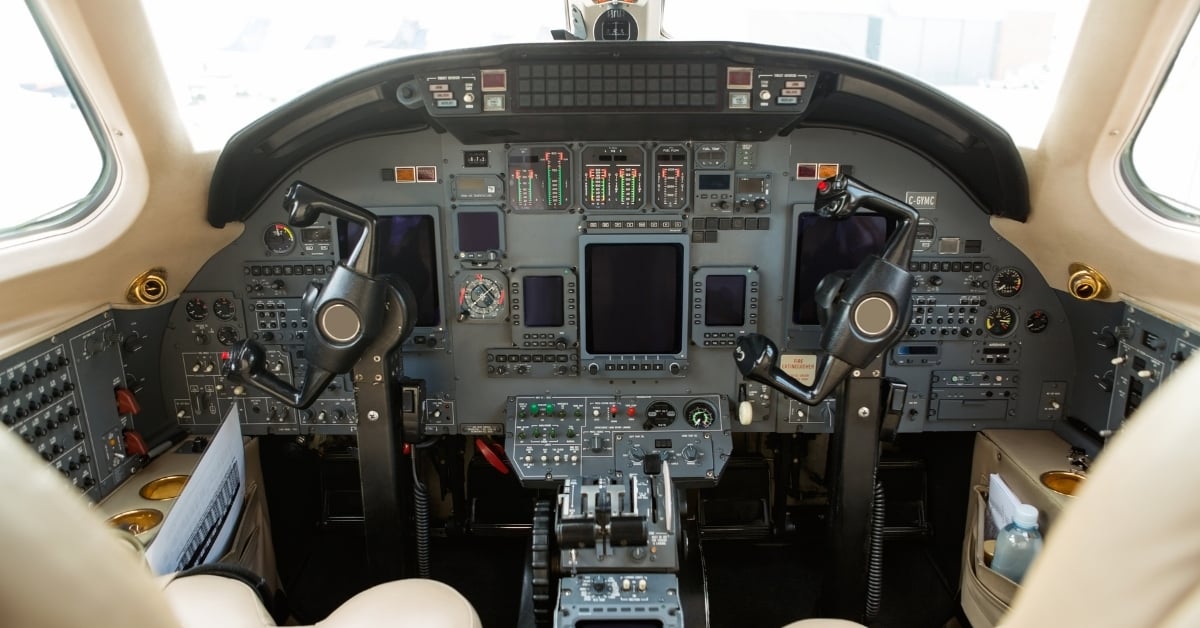
Episode 14 highlights how owners who invest in relationships experience fewer disruptions and greater continuity. The aircraft becomes an integrated part of their life rather than a recurring logistical challenge.
First-Time Owners and the Importance of Guidance
For new owners, the human side of aviation can feel overwhelming. The number of people involved, each with specialized expertise, creates complexity that can be difficult to navigate alone. This is where trusted guidance becomes essential.
Experienced advisors and operators help first-time owners understand what truly matters. They filter noise, prioritize decisions, and create structure where uncertainty might otherwise dominate. Over time, owners gain confidence and clarity, supported by teams that anticipate needs rather than react to problems.
Episode 14 reinforces that ownership success does not require mastering every detail. It requires surrounding oneself with people who do.
The Long-Term Value of Strong Relationships
Beyond day-to-day operations, strong human relationships directly impact an aircraft’s long-term value. Well-managed aircraft with stable teams tend to be better maintained, more predictable, and more attractive to future buyers.
When ownership teams work cohesively, records are cleaner, maintenance is proactive, and operational history reflects discipline. These factors influence resale outcomes just as much as aircraft specifications.
The human factor, though intangible, leaves a measurable imprint on an aircraft’s performance and value over time.
Conclusion: The Aircraft Is Only as Strong as the Team Behind It
Private jet ownership is often framed as a technical endeavor, but Episode 14 of Own The Jet makes one thing clear: ownership is ultimately about people. The aircraft may enable mobility, but the people behind it determine reliability, efficiency, and peace of mind.
Owners who prioritize trust, communication, and alignment consistently report better outcomes. They experience fewer disruptions, greater confidence, and a more rewarding ownership journey. In an industry where complexity is unavoidable, the right people simplify everything.
Continue the Conversation with Own The Jet
Own The Jet exists to explore the realities of private aviation beyond the surface. Episode 14 offers valuable insight into the human dynamics that define successful ownership, a perspective every current or prospective owner should understand.

To hear more conversations like this, explore additional episodes of Own The Jet on your preferred podcast platform and continue building a smarter, more confident approach to private jet ownership.